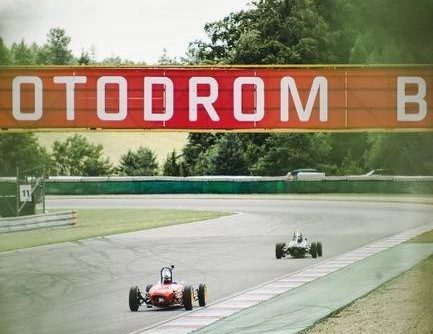
Torn City Racing Overview
Torn City Racing offers weekly events, faction races, and the Ultimate Racing Tournament․ Players earn points, upgrade cars, and compete for payouts․ The raceway features multiple classes and tracks, with Gold Flair marking URT events․ Licenses and cars are prerequisites for entry․ Enjoy the thrill!!
Race Types and Classes
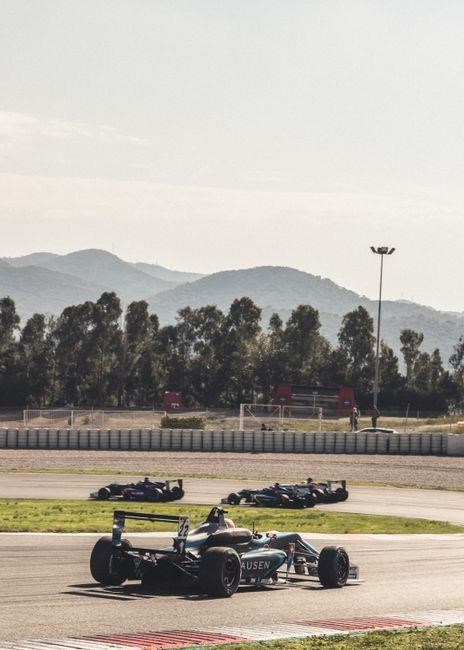
In Torn City Racing, each event is organized into distinct classes that define the vehicle specifications, track layout, and prize structure․ The core categories include:
- Standard Class – The most common type, featuring everyday cars with moderate power and handling․ These races are held on a variety of tracks, from short loops to longer circuits, and offer balanced payouts․
- Performance Class – Designed for upgraded or modified vehicles that exceed the standard power limits․ Races in this class demand higher skill levels and provide larger rewards, often attracting seasoned racers․
- Endurance Class – Long‑distance races that test both driver stamina and vehicle durability over extended laps․
- Time‑Trial Class – Solo events where drivers aim for the fastest lap time on a given track․ These races emphasize precision driving and setup optimization․
- Faction Class – Exclusive to members of a specific faction, these races are scheduled during faction events․ They feature unique track selections and payout schemes tailored to the faction’s theme․
Each class is governed by a set of eligibility rules that consider the car’s horsepower, weight, and modification level․ Players must register their vehicle before the event to ensure it meets the class requirements․ Successful completion of a race awards points that contribute to overall rankings and unlock additional class entries․ Mastering class opens new racing horizons․
Weekly Racing Schedule
Every week, Torn City Racing follows a structured calendar that balances faction events, standard races, and the prestigious Ultimate Racing Tournament (URT)․ The schedule is divided into four weekend slots, each with a distinct focus:

- First Weekend – Faction races begin, featuring a mix of Standard and Performance classes․ These races are open to all members of the faction and offer moderate payouts․
- Second Weekend – A chaining event is held by most factions, where consecutive races reward bonus points․ The event also includes a short Time‑Trial challenge for solo drivers․
- Third Weekend – Standard races resume, with a heavier emphasis on Performance classes․ The track selection varies weekly, ensuring fresh challenges․
- Fourth Weekend – The URT qualifiers take place, marked by Gold Flair․ Only drivers with a valid Racing license and a registered car can participate․ Winners receive significant prize money and ranking boosts;
Between the weekends, daily practice sessions are available on the raceway’s training track, allowing players to fine‑tune their vehicles and strategies․ Staying updated with the official forum posts and the in‑game calendar is essential to avoid missing any event․
Players can check the raceway calendar for each event’s start time, track difficulty, and prize tier․ Updating your vehicle’s stats before the race ensures you meet the class limits and maximizes earnings․ Remember to early secure your spot․
Participating Factions and Events
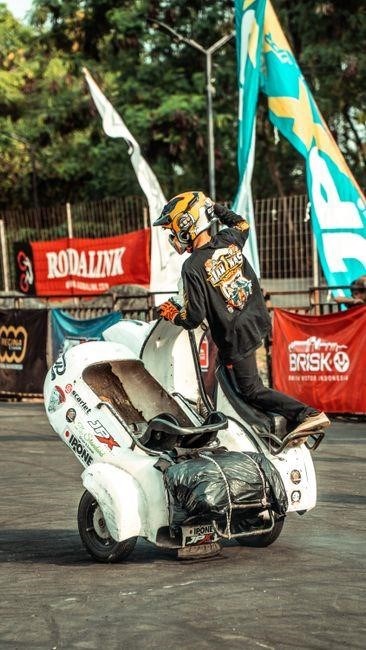
Factions in Torn City Racing play a pivotal role in shaping the competitive landscape․ Each faction hosts its own series of races on the first and third weekends of the month, offering a variety of classes, tracks, and payout structures tailored to its members․ These faction races serve as the primary avenue for players to earn experience points, accumulate cash, and showcase their driving prowess within a familiar community․
On the second weekend, most factions organize a chaining event․ This event requires participants to complete a sequence of races in quick succession, rewarding additional points and bonuses for maintaining a winning streak․
The fourth weekend is reserved for larger scale conflicts․ Faction wars take place, pitting rival groups against each other in a series of battles that can influence territorial control and faction reputation․
Beyond faction‑specific events, the Ultimate Racing Tournament (URT) offers a competition open to all licensed drivers․ URT races appear under the Races tab and are marked by a Gold Flair icon․ To qualify, a driver must present a valid Racing license and a registered car at the raceway․ The URT offers pay and prestige, making it a coveted goal for pro racers․․!!
Players are encouraged to stay informed about upcoming faction events by monitoring the in‑game calendar and faction announcements․ Participation not only boosts individual earnings but also strengthens faction standing, unlocking exclusive rewards and opportunities for collaboration․
Prerequisites: Licenses and Cars
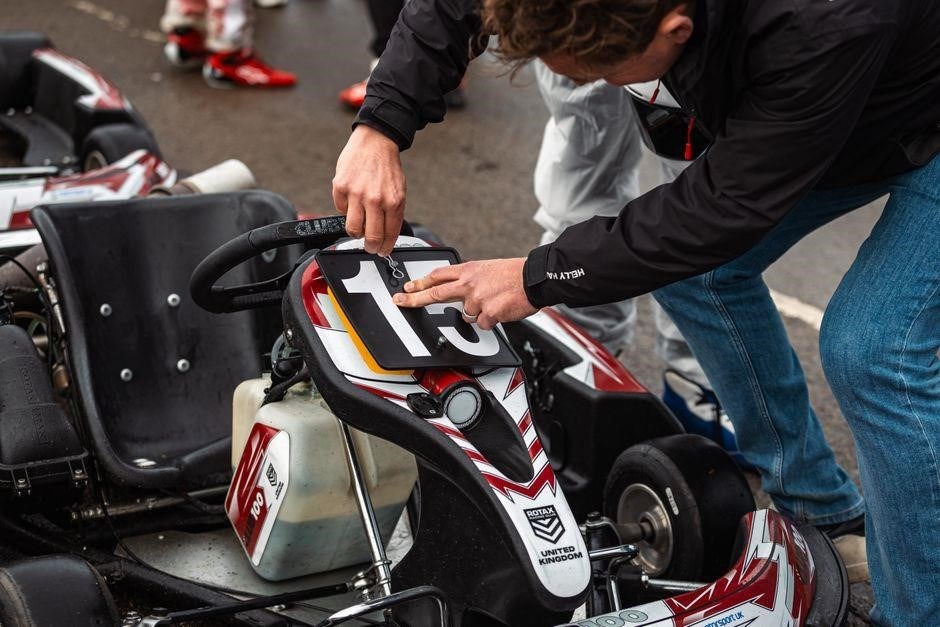
To compete in Torn City Racing, you must first obtain a valid Racing license․ The license is earned through in‑game training sessions and is required to register for any official race․ Once licensed, you need a car—any vehicle you own can be used, but performance‑enhanced models yield higher points and better payouts․ The car must be registered in your account and ready for the raceway․ For URT qualifiers, simply show up with a licensed driver and a car; no additional fees or special equipment are required; The races appear under the Custom Races tab and are marked with a Gold Flair icon to distinguish them from regular events․ Remember, a car without a license is useless, and a license without a car means you can’t race at all․ Keep both in order to stay eligible for all races, including the high‑stakes URT tournaments․ Happy racing!
URT (Ultimate Racing Tournament) Entry
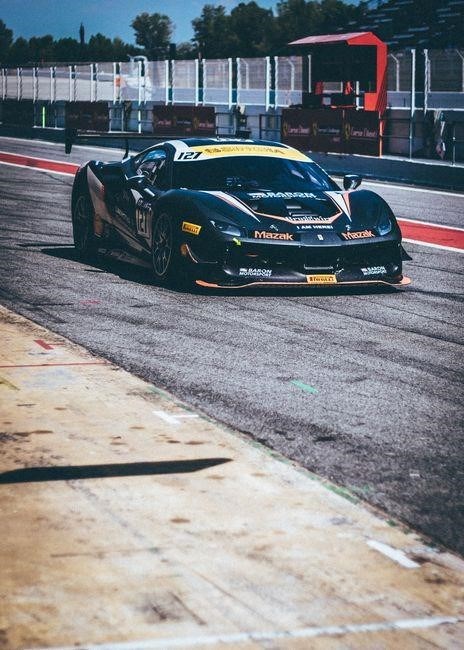
URT races are the pinnacle of Torn City racing․ To qualify, you simply need to be present at the raceway with a valid racing license and a car․ No additional fees or special equipment are required beyond the standard car registration․ The qualifying rounds are listed under the Custom Races tab and are distinguished by a Gold Flair icon․ Once you register, the race will automatically slot you into the appropriate heat based on your current skill level and vehicle performance․ Each URT heat offers a substantial payout, and the top finishers receive bonus points that can be used to upgrade your car or purchase new racing gear․ The tournament runs on a weekly cycle, with qualifiers held every Friday night․ The final race, which determines the overall champion, takes place on the following Sunday․ It is crucial to arrive early, as the raceway limits the number of participants per heat to maintain competitive balance․ Additionally, you should check the race schedule each week to confirm the exact time and track, as the organizers occasionally rotate tracks to keep the competition fresh․ Preparing your car with the best available upgrades before the race can give you a significant edge, especially in the higher‑tier heats where the competition is fiercest․ Remember, the URT is not just about speed; strategic positioning, drafting, and timing your pit stops are equally vital․ By consistently participating and mastering these elements, you can climb the leaderboard and earn the coveted URT champion title․ Drafting can shave seconds off your lap today․!!!
Custom Races and Gold Flair
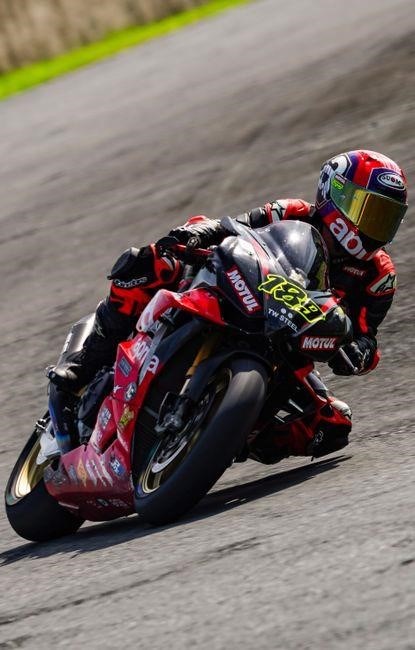
In Torn City, custom races are a special category of events that players can create or join outside the regular weekly schedule․ These races are hosted in the Custom Races tab of the raceway interface and are distinguished by a bright gold flair icon that signals their premium status․ The gold flair is not just decorative; it indicates that the race is part of the Ultimate Racing Tournament (URT) qualifiers or a high‑stakes event that offers larger payouts and points․ To participate, a player must have a valid racing license and a car registered in the system․ Once logged in, the player can browse the list of available custom races, each of which displays its track name, class, and the reward structure․ The gold flair races often feature a larger field of competitors and may require a higher entry fee or a minimum vehicle upgrade level․ Players can also create their own custom races by selecting a track, setting the class, and choosing whether to enable the gold flair for increased visibility․ When a custom race is created, the system automatically assigns a unique identifier and publishes it to the Custom Races tab, where other players can see the gold flair and decide to join․ The gold flair races are typically scheduled on weekends, aligning with the URT cycle, but they can also be held on weekdays for special events․ Because the gold flair denotes a higher level of competition, participants are encouraged to fine‑tune their vehicles, practice drafting techniques, and study the track layout to gain an advantage․ The rewards for finishing in the top positions of a gold flair custom race include significant cash payouts, racing points, and sometimes exclusive upgrade items that are not available in regular races․ Additionally, these races contribute to a player’s overall ranking in the URT leaderboard, making them a critical component of a serious racer’s strategy․ Players who consistently perform well in gold flair custom races often find themselves invited to exclusive invitational events, further expanding their racing opportunities․ The gold flair system also provides a visual cue for new players to identify which races are worth the extra effort, ensuring that the most competitive events receive the attention they deserve․ By mastering the nuances of custom races and leveraging the gold flair indicator, racers can maximize their earnings, improve their skills, and climb the leaderboard in Torn City’s dynamic racing community․ The system also logs each race’s statistics, allowing racers to analyze lap times, sector splits, and pit stop efficiency for continuous improvement․ Furthermore, the gold flair races are often accompanied by live commentary and community chat, fostering a sense of camaraderie among participants․ As the racing season progresses, the number of gold flair custom races may increase, offering more opportunities for players to test their mettle against top competitors․ Finally, the gold flair designation is a signal that the race meets all official standards for fairness, safety, and competitive balance, ensuring that every participant has an equal chance to succeed․ Players should also keep an eye on the race schedule updates, as organizers occasionally adjust race times or add surprise tracks to keep the competition fresh and engaging․ Each race also awards a unique badge visible on the racer’s profile․ Stay sharp, win!!!!
Scoring and Payouts
Racing points are awarded per finish position, with higher ranks earning more․ Cash payouts scale with class and track difficulty․ Gold flair races offer double points and larger cash rewards․ Track records can unlock bonus items․ Keep track of your stats to maximize earnings․ Earn bonuses by setting bests․
Race Time and Duration
Races run on a strict weekly timetable, with the main event kicking off at 12:00 UTC every Monday․ Each session lasts 30 minutes, split into three 10‑minute laps․ The raceway opens at 11:45 UTC to allow players to queue, check car stats, and finalize gear․ Once the clock hits 12:00, the countdown begins, and the first lap starts immediately․ After the first lap, a 2‑minute intermission allows for quick pit stops and strategy adjustments․ The second lap follows, and after another 2‑minute break, the final lap concludes the race․ Total active racing time is 30 minutes, but the entire event, including pre‑race and post‑race activities, spans roughly 45 minutes․ Players should log in at least 15 minutes early to avoid missing the start․ Time is displayed in UTC to keep all factions synchronized, and the in‑game clock updates every second․ For those in different time zones, the game automatically converts UTC to local time in the race schedule interface․ The raceday schedule also lists any special events, such as the URT qualifiers, which have a longer 45‑minute duration and include a 5‑minute warm‑up period before the first lap․ All races adhere to this structure, ensuring fairness and consistency across the board․
The raceway’s clock syncs with the game’s time, ensuring all factions experience the schedule․ Players view upcoming races in the calendar, which shows start times, track difficulty, and prize tiers․ By planning ahead, racers can prioritize events that match their car’s strengths and maximize earnings․
Track Selection and Difficulty
Choosing the right track is critical to success in Torn City Racing․ The game offers a variety of circuits, each with distinct layouts, turns, and surface types․ Tracks are categorized by difficulty—Easy, Medium, Hard, and Extreme—based on the number of sharp corners, straight‑line speed sections, and the overall length․ Players often start with the Easy tracks to master basic handling before progressing to Medium or Hard tracks that demand precise braking and acceleration․
Track selection is also influenced by the car’s performance profile․ A high‑top‑speed vehicle excels on long straights found in Extreme tracks, whereas a lightweight, agile car performs better on tight, twisty circuits․ The race schedule lists each track’s difficulty level, allowing racers to match their vehicle’s strengths to the appropriate event․ Faction races sometimes feature unique tracks that are not available in the standard lineup, adding variety and strategic depth․
Difficulty is reflected in the payout structure; higher difficulty tracks offer larger prize pools but also attract stronger competitors․ Advanced racers often use the Auto‑Scanner tool to preview track layouts, identifying optimal racing lines and potential slip‑stream opportunities․ By studying the track’s schematic, players can plan overtaking maneuvers and anticipate where traffic congestion may occur․
By studying the track’s schematic, players can plan overtaking maneuvers․ It matters․ Higher difficulty tracks reward skill․Yes
Players should also consider the weather conditions that can affect track grip․ While Torn City Racing does not simulate weather, certain tracks are labeled “Wet” or “Dry” to indicate the typical surface condition, influencing tire choice and suspension tuning․ Selecting a track that aligns with the car’s setup and the player’s skill level is essential for maximizing lap times and securing top finishes․
Vehicle Upgrades and Performance Mods
In Torn City Racing, each car starts with a base model that offers a set of horsepower, torque, and weight․ Players can invest in four upgrade categories: Engine, Transmission, Suspension, and Body․ Engine upgrades raise top speed and acceleration, while Transmission mods improve gear shift timing and reduce lag․ Suspension changes affect ride height, stiffness, and damping, allowing drivers to fine‑tune handling on different track surfaces․ Body kits lower aerodynamic drag and increase stability at high speeds․
Performance mods are bought with racing points earned from races․ Common mods include Turbochargers, which boost horsepower by 10‑15%, and Lightweight Wheels that cut rotational mass, improving cornering․ Advanced mods such as Active Aerodynamics and Adaptive Brakes offer dynamic adjustments during a race, but they cost more and require a higher license level․ Players often balance cost against benefit, choosing a mix that suits their racing style․
To maximize lap times, racers should build a holistic package: a strong engine for straight‑line speed, a responsive transmission for quick acceleration out of turns, a tuned suspension for traction, and a lightweight body for agility․ Regular maintenance checks are essential; neglecting worn parts can degrade performance over time․ By strategically investing in upgrades and mods, a modest vehicle can become a podium‑contender․ Fine‑tuning these upgrades during practice sessions can shave seconds off your best lap times!
Strategy for Winning Races
Success in Torn City Racing hinges on a blend of preparation, timing, and tactical decisions․ Before each race, examine the chosen track’s layout: note tight corners, long straights, and elevation changes․ Adjust your car’s tuning accordingly—boost the engine for straight sections, soften the suspension for twisty sections, and set the brakes to engage early on high‑speed turns․
During the race, maintain a consistent rhythm․ Avoid aggressive braking that can lead to wheel lock‑ups; instead, use a smooth, progressive approach to keep traction․ When overtaking, choose the optimal line: the outside line on a straight can reduce distance, while the inside line on a corner can provide a shorter path if you can maintain speed․
Use the auto‑scanner to identify rivals’ car strengths and weaknesses․ Spot a competitor’s low horsepower on a straight or poor handling on a corner, then time your overtakes accordingly․ Keep an eye on fuel consumption; over‑driving can deplete fuel early, forcing a late‑race slowdown․ Practice on the same track with the same car configuration before the official race to build muscle memory and reveal subtle handling quirks․
Timing is critical; use the race clock to gauge how many laps you can push before fuel runs low․ If you’re on a track with a long straight, a brief burst of acceleration can be the difference between 1st and 2nd place․ Remember that braking points shift slightly depending on car weight, so adjust your braking line each lap․ Finally, after the race, review the replay to spot missed overtakes or braking errors, for next week’s challenge․
Using the Auto-Scanner Tool
The auto‑scanner is a powerful in‑game aid that lets you analyze rival cars, track conditions, and race dynamics before you hit the start line․ To activate it, simply click the “Scan” button in the race interface; the tool will then display a real‑time overlay showing each opponent’s speed, acceleration, braking points, and fuel status․ This data is refreshed every lap, allowing you to adapt your strategy on the fly․
The overlay also shows opponent speed in real time, letting you spot slip‑stream opportunities․ First, focus on the speed map: it highlights the fastest sections of the track and the segments where opponents lag․ Use it to choose the best line․ Next, examine the acceleration chart; a high top‑speed boost dominates long straights, while a quick 0‑60 can out‑corner rivals on tight turns․
Fuel consumption is another key metric․ The scanner shows a fuel bar for each racer, and you can predict when a car will need to pit․ If you notice an opponent’s fuel dropping rapidly, you can time your own pit stop to gain an advantage․ Additionally, the scanner flags any mechanical issues—such as a broken turbo or low tire pressure—so you can avoid cars that may suffer a sudden loss of performance․ Track nuances are key․
Finally, use the “Compare” feature to overlay two cars side‑by‑side․ This lets you see subtle differences in handling, such as a slight drift advantage or a better braking curve․ By mastering the auto‑scanner, you’ll gain a tactical edge that turns close races into decisive victories․
Advanced Meta Techniques
Mastering the meta also involves timing your pit stops to coincide with opponent fuel lows, using the auto‑scanner to spot when rivals are about to run out and then pushing hard on the final lap․ Additionally, studying faction event schedules can reveal hidden track shortcuts that give you a decisive edge․ Consistent practice, data analysis, and strategic patience are the keys to climbing the leaderboard and securing top payouts․ Every race counts․ Stay sharp․ Now Keep your focus sharp and stay ahead․!
Common Pitfalls and How to Avoid Them
New racers often fall into three main traps: over‑reliance on a single track, neglecting fuel management, and ignoring faction event timing․ First, sticking to one track limits your exposure to different layouts; rotating through the weekly schedule builds versatility and reveals hidden shortcuts․ Second, many players forget that each lap consumes a fixed amount of fuel; running out mid‑race forces a costly stop that can drop you behind the leaders․ Plan your pit stops before you hit the line and use the auto‑scanner to spot opponents’ low‑fuel moments․ Third, ignoring faction event schedules means missing lucrative races that offer higher payouts and bonus points․ Check the faction calendar each week, especially the second and fourth weekends, and align your racing plan accordingly․ Finally, avoid the temptation to upgrade every part at once; incremental upgrades tied to race performance yield better long‑term gains․ By staying disciplined, diversifying track experience, managing fuel smartly, and timing faction events, you can sidestep common pitfalls and steadily climb the leaderboard․ Another frequent mistake is over‑tuning the car for a single track, which can backfire on others․ Balance upgrades across engine, tires, and suspension to maintain consistent performance․ Also, many racers ignore the auto‑scanner’s “race heat” feature, which displays the current heat level of each track; racing in a low‑heat track can give you an advantage over competitors who are still warming up․ Finally, neglecting practice sessions before the race can leave you unprepared for the exact braking points and acceleration zones․ Spend a few minutes on the practice track to quickly reduce mistakes
Community Resources and Forums
For players seeking tips, the Torn City Racing community offers several hubs․ The official Torn City Wiki hosts a dedicated Racing section that details race types, track layouts, and upgrade guides․ The r/torncity subreddit is a lively forum where users post race logs, strategy threads, and event reminders․ Many members share screenshots of their auto‑scanner usage and discuss optimal fuel strategies․ Another key resource is the Torn Racing Discord, where real‑time chat allows quick coordination for faction races and URT qualifiers․ The Discord’s #race‑strategy channel often features live race commentary and heat‑map analysis․ For those who prefer written guides, the RD_s Racing Guide 2;0 blog offers step‑by‑step tutorials on vehicle upgrades and meta‑play․ Additionally, the Ultimate Racing Tournament page on the wiki lists past winners, heat charts, and prize breakdowns, helping newcomers gauge the competition level․ Finally, the in‑game Auto‑Scanner tool can be paired with external spreadsheets; many community members publish shared CSV files that track race times, heat levels, and car performance stats․ By tapping into these resources, you can stay ahead of the curve, avoid common pitfalls, and refine your racing tactics․ The subreddit also hosts weekly AMA sessions with veteran racers, and the community bot posts daily race alerts․ The Discord bot tracks your race history and suggests upgrades based on your performance metrics․ Many users contribute to a shared Google Sheet that logs lap times across all tracks, allowing you to benchmark against top racers․ Visual learners can watch YouTube walkthroughs of each track, highlighting braking points and optimal racing lines․ The forum’s “Meta‑Tech” section discusses the latest vehicle mods and how they affect heat and speed, ensuring you’re always up to date with evolving game mechanics․ If you’re new, start by reading the “Beginner’s Guide” thread, which explains the basics of race mechanics and car tuning․ Then, join the weekly “Practice Session” event where veteran racers provide live feedback․ Keep an eye on the community calendar for upcoming faction races, as many players coordinate in advance to form alliances․ Lastly, regularly check the “Patch Notes” section to stay informed about any changes that affect racing rules or track conditions․